

Let me start with a truth every job seeker in the U.S. and Europe learns the hard way: There is no “one-size-fits-all” interview strategy. I’ve spent 15 years coaching professionals—from recent college grads to mid-career executives—land roles at companies like Google, J.P. Morgan, Adobe, and top-tier school districts. And time and again, the biggest mistake I see is candidates treating every interview the same. They walk in with a generic elevator pitch, a list of canned answers, and zero understanding of what that specific industry actually cares about.
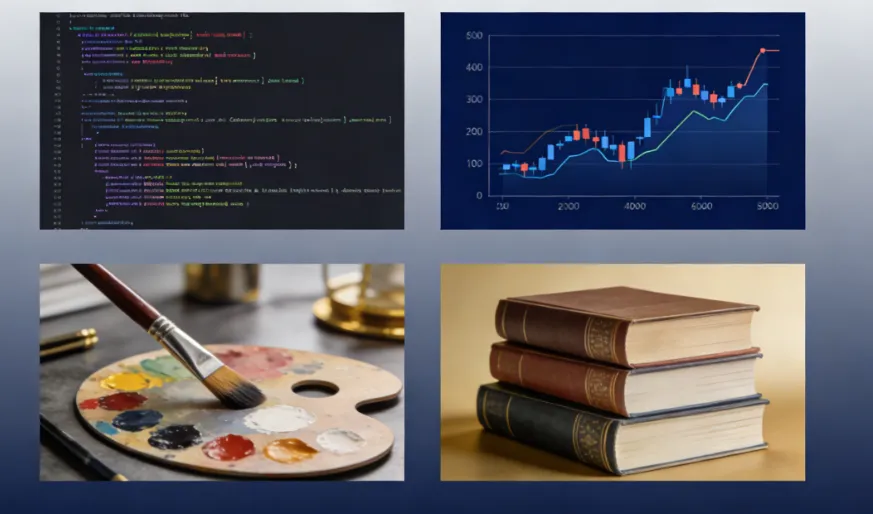
Here’s the reality: A tech interviewer evaluating a software engineer cares about problem-solving speed and collaborative coding. A finance hiring manager for an investment bank is laser-focused on your ability to analyze risk and communicate complex data clearly. A creative director at a marketing agency wants to see your unique voice and how you turn vague briefs into impactful work. And a principal hiring a teacher is looking for empathy, classroom management, and a genuine passion for student growth. These are not interchangeable skills—and your interview approach shouldn’t be either.
In this guide, I’m pulling back the curtain on the interview secrets that separate the “good candidates” from the ones who walk away with the offer. I’ll break down the unique (traits), common pitfalls, and proven success strategies for four of the most in-demand industries in the Western job market: Tech, Finance, Creative, and Education. I’ll also share real success stories from my clients—people who went from “qualified” to “irresistible” by tailoring their approach to the industry’s unspoken rules. Whether you’re switching careers, climbing the ladder, or just starting out, this playbook will give you the edge you need to stand out in a crowded field.
First: The Universal Truth That Applies to Every Industry (Yes, Really)
Before we dive into industry-specific tips, let’s get one thing straight: Every interview, regardless of the field, is a test of two core things: Can you do the job? and Will you fit in?. The difference between industries ishow they ask these questions. A tech company might test your job skills with a coding challenge; a creative firm might ask you to walk through a portfolio project; a finance team might throw a case study at you. And “fit” looks different too: A startup tech company values adaptability and hustle; a Wall Street bank prioritizes professionalism and attention to detail; a creative agency wants collaboration and creativity; a school district seeks patience and alignment with their educational mission.
The biggest mistake you can make is ignoring the “fit” piece. I once coached a brilliant software engineer who aced every technical test at a top Silicon Valley startup—but didn’t get the offer. Why? Because during the team interview, he kept interrupting his interviewers and dismissed their ideas as “irrelevant.” He was qualified, but he didn’t fit the startup’s collaborative culture. Conversely, I worked with a marketing designer who wasn’t the most technically skilled candidate, but she walked the interviewer through her creative process with such passion and humility that the agency hired her on the spot. She fit their vibe, and that mattered more than a perfect portfolio.
So, as you read through this guide, remember: Your goal isn’t just to prove you can do the job—it’s to prove you’re the right person for that job, in that industry, at that company. Now, let’s dive into the details.
Industry 1: Tech – Where Problem-Solving Speaks Louder Than Resumes
The tech industry is unique in its interview process: It’s less about “telling” and more about “showing.” Tech companies—from startups to giants like Apple and Amazon—hire people to solve problems, and they want to see you solve one in real time. I’ve coached hundreds of tech candidates, and the ones who succeed understand this: Tech interviews are not about memorizing answers—they’re about demonstrating your thought process.
Key Traits Tech Interviewers Are Obsessed With
Tech hiring managers don’t just care about your technical skills (though those matter). They’re looking for three things that separate great candidates from good ones:
- Problem-Solving Agility: Can you break down a complex problem into manageable steps? Can you adapt when your first solution doesn’t work? Tech moves fast, and interviewers want to see that you can think on your feet.
- Collaboration: Even if you’re a solo coder, you’ll still work with product managers, designers, and other engineers. Interviewers want to see that you can communicate technical ideas to non-technical people and take feedback gracefully.
- Curiosity: Tech is constantly evolving—new frameworks, new tools, new approaches. Interviewers want to know that you’re passionate about learning and staying up-to-date. They don’t expect you to know everything, but they expect you to be eager to learn.
The Tech Interview Process: What to Expect
Most tech interviews follow a similar structure, especially for technical roles (software engineer, data scientist, product manager):
- Screening Call: A 15-30 minute call with a recruiter to verify your experience, salary expectations, and interest in the role. This is where you’ll give a brief elevator pitch—keep it focused on your technical skills and how they align with the job.
- Technical Assessment: A coding challenge (via platforms like LeetCode, HackerRank, or the company’s own tool) or a technical project. This is not a test of perfection—interviewers want to see your approach, not just the correct answer. For example, if you’re stuck on a coding problem, talk through your thought process out loud. Say, “I’m thinking of using a hash map here because it allows for O(1) lookups, but I’m worried about space complexity—maybe a two-pointer approach would be better?” This shows you’re a strategic thinker.
- On-Site/Video Interviews: 3-5 rounds of interviews, including:
- Technical Interviews: You’ll solve coding problems or system design questions in real time, often on a whiteboard or shared screen. Again, the focus is on your thought process—explain every step.
- Behavioral Interviews: Questions about your past experiences, teamwork, and problem-solving. Use the STAR method (Situation, Task, Action, Result) to structure your answers, but keep them concise and focused on technical challenges. For example, instead of saying “I worked on a team project,” say “I led a team of 3 engineers to fix a bug that was causing the app to crash for 10% of users. I identified the root cause using debugging tools, delegated tasks based on each team member’s strengths, and we resolved the issue in 3 days—reducing crash rates by 90%.”
- Cultural Fit Interviews: These are with team members or managers to see if you align with the company’s values. For example, a startup might ask, “Tell me about a time you had to pivot quickly on a project.” A larger company like Google might ask, “How do you handle feedback from a senior engineer who disagrees with your approach?”
Proven Success Strategies for Tech Interviews
From my clients who’ve landed roles at Google, Microsoft, and Airbnb, here are the strategies that work:
- Practice Coding Challenges (But Not Just for Perfection): Spend 1-2 hours a day practicing LeetCode or HackerRank problems—focus on medium-difficulty questions, as those are most common in interviews. But don’t just memorize solutions—understand why a solution works. If you get a question wrong, go back and study the explanation. Asef Wafa, a former Microsoft analyst who landed a role at Google during a recession, credits his success to consistent practice: “I spent months using Interview Query to focus on product and technical questions, and I dove into the comments section to learn from other people’s solutions,” he says. “That helped me think more critically about my approach.”
- Prepare for System Design Questions (Even for Junior Roles): System design questions (e.g., “How would you design a social media feed?”) are common for mid-level and senior roles, but even junior candidates might get a basic one. Learn the fundamentals: load balancing, databases, caching, and scalability. You don’t need to be an expert, but you need to show you can think through a problem systematically.
- Research the Company’s Tech Stack: Look at the job description and the company’s website to see what tools and frameworks they use (e.g., Python, React, AWS). If you have experience with those, highlight it. If not, say something like, “I haven’t used React professionally, but I’ve been learning it in my free time because I know it’s critical for front-end development—and I’m confident I can pick it up quickly.” This shows curiosity and initiative.
- Ask Specific Questions: At the end of the interview, when they ask if you have questions, avoid generic ones like “What’s the company culture like?” Instead, ask questions that show you’re serious about the role: “What’s the biggest technical challenge the team is facing right now?” or “How do you measure success for this role in the first 3 months?” This demonstrates that you’re already thinking about how you can contribute.
Common Tech Interview Mistakes to Avoid
- Freezing Up During Coding Challenges: If you get stuck, don’t panic—talk through your thought process. Interviewers would rather see you struggle and problem-solve than sit in silence. For example, say, “I’m stuck here—let me think. Maybe I should start by outlining the steps I need to take.”
- Overcomplicating Solutions: Tech interviewers value simplicity. Don’t try to write a fancy, overcomplicated code when a basic solution works. Focus on clarity and efficiency.
- Ignoring Behavioral Questions: Many candidates focus only on technical skills and forget about behavioral questions. But tech companies care about teamwork and communication—so prepare 3-5 STAR stories that highlight your collaboration and problem-solving skills.
Industry 2: Finance – Where Precision and Trust Are Non-Negotiable
The finance industry—from investment banking and hedge funds to corporate finance and fintech—is all about trust. When you’re handling people’s money, companies need to know you’re precise, reliable, and able to make sound decisions under pressure. I’ve coached candidates for roles at J.P. Morgan, Goldman Sachs, and fintech startups, and the ones who succeed understand this: Finance interviews are a test of your attention to detail, analytical skills, and ability to communicate complex information clearly.
Unlike tech interviews, which are focused on problem-solving in real time, finance interviews are often focused on your knowledge of the industry, your ability to analyze data, and your fit with the company’s culture (which is often more formal than tech).
Key Traits Finance Interviewers Are Obsessed With
Finance hiring managers are looking for three core traits—ones that signal you’re someone they can trust with their clients’ money:
- Precision: A single mistake in a financial model or a client presentation can cost the company millions. Interviewers will test your attention to detail—even a typo in your resume or a miscalculation in a case study can be a red flag.
- Analytical Thinking: Can you take complex financial data (e.g., balance sheets, income statements) and turn it into actionable insights? Can you evaluate risk and make recommendations based on that data?
- Professionalism: Finance is a formal industry, especially at traditional banks. Interviewers expect you to dress professionally, speak clearly, and act with integrity. They want to see that you can represent the company well to clients.
The Finance Interview Process: What to Expect
Finance interviews vary by role (investment banking vs. corporate finance vs. fintech), but here’s a general breakdown:
- Screening Call: A 20-30 minute call with a recruiter to verify your experience, education (many finance roles prefer a degree in finance, accounting, or economics), and interest in the industry. They’ll also ask basic questions like “Why do you want to work in finance?” and “What’s your understanding of this role?”
- Technical Interview: For roles like investment banking, equity research, or corporate finance, you’ll be tested on your financial knowledge. Common questions include: For fintech roles, you might be asked about your knowledge of financial technology (e.g., blockchain, payment systems) and how you’d apply it to the role.
- “What’s the difference between EBIT and EBITDA?”
- “How do you value a company?” (Be prepared to discuss methods like DCF, comparable companies, and precedent transactions.)
- “Walk me through a discounted cash flow model.”
- Case Study Interview: This is a staple of finance interviews, especially for investment banking and consulting roles. You’ll be given a real or hypothetical business scenario (e.g., “Should Company A acquire Company B?”) and asked to analyze the situation, evaluate the risks and benefits, and make a recommendation. Interviewers don’t care about the “right” answer—they care about your analytical process and how you communicate your reasoning. Over 90% of top use case interviews, and prepared candidates are 3x more likely to get an offer.
- Behavioral and Cultural Fit Interviews: These are with senior managers or team members. Questions will focus on your work ethic, ability to handle pressure, and teamwork. For example: “Tell me about a time you had to meet a tight deadline,” or “How do you handle a situation where you disagree with a client’s decision?”
Proven Success Strategies for Finance Interviews
From my clients who’ve landed roles at top finance firms, here are the strategies that work:
- Master the Technical Fundamentals: You don’t need to be a financial expert, but you need to know the basics. Study financial statements, valuation methods, and key financial ratios (e.g., P/E, debt-to-equity). Use resources like Wall Street Prep or CFA Institute materials to brush up. For case interviews, learn core frameworks like Porter’s Five Forces or the 4P marketing model to structure your analysis.
- Practice Case Studies (A Lot): Find sample case studies online (from firms like McKinsey or Bain) and practice walking through them out loud. Focus on structuring your answer: start with understanding the problem, then gather data, analyze the options, and make a recommendation. Record yourself practicing—this will help you spot areas where you’re rambling or not being clear.
- Dress the Part: Finance is a formal industry. For in-person interviews, wear a tailored suit (navy or black for men, suit or dress for women). For video interviews, dress professionally from the waist up—no casual shirts or hoodies. Your appearance signals that you take the role seriously.
- Show Your Industry Knowledge: Read financial news (The Wall Street Journal, Bloomberg, Financial Times) daily. Be prepared to discuss current events (e.g., interest rate changes, market trends) and how they impact the company. For example, if you’re interviewing at a bank, you might say, “I’ve been following the Fed’s recent rate hikes—how do you think that will impact your loan portfolio?”
- Be Honest About Your Weaknesses: Finance interviewers value integrity. If you don’t know the answer to a technical question, don’t lie—say, “I’m not familiar with that specific concept, but I’m eager to learn. Can you explain it to me?” This shows humility and a willingness to grow.
Common Finance Interview Mistakes to Avoid
- Miscalculations: Even a small math error can be a dealbreaker. Double-check your calculations during case studies and technical questions. If you make a mistake, acknowledge it and correct it immediately.
- Being Too Vague: Finance interviewers want specific examples. Instead of saying “I’m good at analyzing data,” say “I analyzed the financial statements of 10 companies in the retail industry and identified three that were undervalued—my recommendations led to a 15% return for our clients.”
- Ignoring the Client Focus: Many finance roles involve working with clients. Interviewers want to see that you’re customer-focused. Prepare stories that highlight your ability to communicate complex financial information to non-technical clients.
Industry 3: Creative – Where Your Voice and Process Matter More Than Perfection
The creative industry—graphic design, marketing, copywriting, photography, and video production—is all about storytelling. Creative hiring managers don’t just want to see that you can design a logo or write a blog post—they want to see your unique voice, your creative process, and how you solve problems with creativity. I’ve coached creative professionals for roles at Adobe, Nike, and top marketing agencies, and the ones who succeed understand this: Creative interviews are not about showing off your best work—they’re about showing how you created that work.
Unlike tech or finance, creative interviews are highly subjective. Two candidates with similar skills can get very different results based on their portfolio, their passion, and their fit with the team’s creative vision.
Key Traits Creative Interviewers Are Obsessed With
Creative hiring managers are looking for three things that set great creative professionals apart:
- Unique Voice: Can you bring something fresh and original to the table? Creative industries thrive on innovation—interviewers don’t want a copycat; they want someone who can bring their own perspective.
- Creative Process: How do you go from a vague brief to a finished product? Interviewers want to see that you have a structured approach to creativity—one that involves research, brainstorming, iteration, and feedback.
- Collaboration: Creative roles rarely involve working alone. You’ll work with clients, project managers, and other creatives. Interviewers want to see that you can take feedback, adapt your work, and collaborate effectively.
The Creative Interview Process: What to Expect
Creative interviews are centered around your portfolio, but there’s more to it than just showing your work. Here’s what you can expect:
- Portfolio Review: This is the heart of the creative interview. You’ll walk the interviewer through your portfolio—explaining your process, the challenges you faced, and how you arrived at the final product. Interviewers don’t just want to see the end result; they want to see the journey. For example, if you’re a graphic designer, don’t just say “I designed this logo”—say “The client wanted a logo that felt modern but classic. I started with 10 sketches, narrowed it down to 3, got feedback from the client, and revised the final design three times to make sure it aligned with their brand.”
- Creative Exercise: Many creative interviews include a live creative exercise (e.g., “Design a social media post for this product in 30 minutes” or “Write a headline for this campaign”). This is a test of your ability to work under pressure and think creatively on the spot. It’s not about perfection—it’s about showing your thought process and adaptability.
- Behavioral Interview: Questions will focus on your experience with clients, feedback, and teamwork. For example: “Tell me about a time a client hated your work—how did you handle it?” or “How do you collaborate with a team of creatives with different styles?”
- Cultural Fit: Creative agencies and companies often have a unique culture—some are fast-paced and startup-like, others are more structured. Interviewers want to see that you’ll fit in with their team’s vibe. For example, a hip marketing agency might ask, “What’s a creative project you’ve worked on that’s outside your comfort zone?”
Proven Success Strategies for Creative Interviews
From my clients who’ve landed creative roles at top companies, here are the strategies that work:
- Curate Your Portfolio (Quality Over Quantity): Your portfolio should be a showcase of your best work—not every project you’ve ever done. Aim for 8-10 pieces that highlight your range and your unique voice. Tailor your portfolio to the role: If you’re applying for a graphic design role at a tech company, focus on clean, modern designs. If you’re applying for a copywriting role at a fashion brand, focus on pieces that show your ability to tell brand stories. Quality always beats quantity—choose projects that demonstrate your skills and align with the job description.
- Tell Stories About Your Work: When walking through your portfolio, don’t just describe the work—tell a story. Explain the brief, the challenges you faced, the feedback you got, and how you iterated. This shows the interviewer your process and your ability to solve problems creatively. For example, a photographer might say, “I was hired to shoot a campaign for a sustainable clothing brand. The challenge was to make the clothes look stylish while highlighting their eco-friendly materials. I used natural light and shot in outdoor locations to emphasize sustainability, and I worked with the models to create a relaxed, authentic vibe—this helped the brand connect with their target audience.”
- Prepare for Creative Exercises: Practice working under pressure. Set a timer and do a quick creative exercise (e.g., design a logo, write a headline) every day. This will help you get comfortable thinking on your feet. When doing the exercise in the interview, talk through your thought process—this shows the interviewer how you approach creativity.
- Show That You’re a Team Player: Creative roles require collaboration. Prepare stories that highlight your ability to work with others. For example: “I worked on a campaign with a team of designers and copywriters. We had different ideas about the direction, so we held a brainstorming session, listened to each other’s perspectives, and combined our ideas to create a campaign that was better than any of us could have done alone.”
- Be Authentic: Creative interviewers can spot a fake. Don’t try to be someone you’re not—embrace your unique voice. If your style is quirky and playful, show that. If it’s sleek and minimalist, own it. Your authenticity is what will make you stand out.
Common Creative Interview Mistakes to Avoid
- Focusing Only on the Final Product: Interviewers don’t care just about what you created—they care about how you created it. Don’t skip the process—explain your research, brainstorming, and revisions.
- Being Defensive About Feedback: Creative work is subjective, and you’ll get feedback that you don’t agree with. Interviewers want to see that you can take feedback gracefully. Don’t say “I don’t think that’s right”—say “I appreciate your feedback. Let me think about how I can incorporate that into the work.”
- Overcomplicating Your Work: Creativity doesn’t mean overcomplicating things. Sometimes the simplest design or the most straightforward copy is the most effective. Focus on clarity and purpose—don’t add unnecessary elements just to show off.
Industry 4: Education – Where Empathy and Passion Are the Foundation
The education industry—teaching, administration, curriculum development—is all about impact. Education hiring managers (principals, department heads, district leaders) don’t just want to see that you have the credentials to teach or manage a school—they want to see that you care about students, that you’re patient, and that you’re committed to making a difference. I’ve coached educators for roles at public schools, private schools, and educational nonprofits, and the ones who succeed understand this: Education interviews are a test of your passion and your ability to connect with students.
Unlike tech, finance, or creative, education interviews are often more personal. Interviewers want to get to know you as a person—they want to see that you’re someone students will trust and respect.
Key Traits Education Interviewers Are Obsessed With
Education hiring managers are looking for three core traits that make a great educator:
- Empathy: Can you connect with students from different backgrounds? Can you understand their needs and adapt your teaching style to meet them? Education is about meeting students where they are—and interviewers want to see that you have the empathy to do that.
- Passion for Education: Do you genuinely care about helping students learn and grow? Interviewers can spot a candidate who’s just in it for the paycheck—they want someone who’s passionate about making a difference.
- Classroom Management (for Teachers): Can you create a positive, structured classroom environment where students can learn? For teaching roles, classroom management is non-negotiable—interviewers want to see that you have a plan to handle challenging behaviors and keep students engaged.
The Education Interview Process: What to Expect
Education interviews vary by role (teacher vs. administrator vs. curriculum developer), but here’s a general breakdown:
- Screening Call: A 20-30 minute call with a recruiter or hiring manager to verify your credentials (teaching license, degree, experience) and interest in the role. They’ll ask basic questions like “Why do you want to be a teacher?” and “What’s your teaching philosophy?”
- Teaching Demo (for Teachers): This is a critical part of the interview for teaching roles. You’ll be asked to teach a 15-30 minute lesson to a group of students (or interviewers pretending to be students). The lesson should align with the curriculum and show your teaching style. Interviewers will evaluate your ability to engage students, explain concepts clearly, and manage the classroom.
- Behavioral Interview: Questions will focus on your experience with students, classroom management, and collaboration with colleagues. For example: “Tell me about a time you worked with a student who was struggling—how did you help them?” or “How do you handle a student who is disruptive in class?”
- Philosophy Interview: Education interviewers want to know your teaching philosophy—your beliefs about how students learn and what makes a great teacher. Be prepared to discuss your approach to differentiation (adapting lessons for different learning styles), assessment, and student engagement.
Proven Success Strategies for Education Interviews
From my clients who’ve landed roles at top schools and districts, here are the strategies that work:
- Share Your Teaching Philosophy (and Back It Up with Examples): Your teaching philosophy shouldn’t be a generic statement like “I believe all students can learn”—it should be specific and personal. For example: “My teaching philosophy is that every student learns differently, so I differentiate my lessons to meet their needs. For example, when teaching fractions, I use visual aids for visual learners, hands-on activities for kinesthetic learners, and group work for social learners. This approach has helped my students improve their test scores by 20%.”
- Prepare a Strong Teaching Demo: Practice your demo lesson multiple times—focus on engagement and clarity. Make sure your lesson has a clear objective, a hook to grab students’ attention, and a closing that reinforces what they’ve learned. For example, if you’re teaching a math lesson, start with a real-world example (e.g., “How many slices of pizza do we need if 8 people are coming to the party and each person wants 2 slices?”) to make the concept relatable.
- Tell Stories About Your Students: Education interviewers love stories—they want to see that you’ve made a difference in students’ lives. Prepare 3-5 stories that highlight your empathy and your ability to connect with students. For example: “I had a student who was struggling with reading and was embarrassed to participate in class. I worked with her one-on-one after school, used books that aligned with her interests (she loved horses), and slowly built her confidence. By the end of the year, she was raising her hand in class and had improved her reading level by two grades. That moment made all the hard work worth it.”
- Show That You’re a Team Player: Educators don’t work alone—you’ll collaborate with other teachers, administrators, and parents. Prepare stories that highlight your ability to work with others. For example: “I worked with a team of teachers to develop a new science curriculum. We divided the work based on our strengths, met weekly to share ideas, and created a curriculum that was more engaging and aligned with state standards. The curriculum was adopted by the entire district, and student test scores improved by 15%.”
- Research the School/District: Learn about the school’s mission, values, and student population. For example, if the school has a focus on STEM education, mention that in your interview: “I’m excited about this role because I share the school’s focus on STEM education. I’ve been incorporating STEM activities into my lessons for the past two years, and I’m eager to bring that experience to your students.”
Common Education Interview Mistakes to Avoid
- Being Too Generic: Avoid generic statements about “loving kids”—interviewers want to see specific examples of how you’ve helped students. Be specific about your experiences and your impact.
- Ignoring Classroom Management: Even if you’re a great teacher, if you can’t manage a classroom, you won’t be successful. Be prepared to discuss your classroom management plan and give examples of how you’ve handled challenging behaviors.
- Forgetting About Parents: Parents are an important part of education. Interviewers want to see that you’re willing to communicate with parents and involve them in their child’s education. Prepare a story that highlights your communication with parents.
Final Thoughts: The Secret to Interview Success Across All Industries
After 15 years of coaching, I’ve learned that the most successful candidates—regardless of industry—have one thing in common: They don’t just prepare for the interview—theytailor their preparation to the industry, the company, and the role. They understand that every interview is a conversation, not a test, and they focus on building a connection with the interviewer.
Remember: Tech interviews are about problem-solving and collaboration. Finance interviews are about precision and trust. Creative interviews are about your voice and process. Education interviews are about empathy and passion. By understanding these differences and tailoring your approach, you’ll stand out from the competition.
And one last piece of advice: Be yourself. Interviewers can spot a fake, and they want to hire someone who’s authentic. Your unique skills, experiences, and personality are what make you irreplaceable. So, walk into every interview with confidence, be prepared, and let your true self shine.
Whether you’re aiming for a tech role at Google, a finance role at J.P. Morgan, a creative role at Adobe, or a teaching role at your dream school, this playbook has the tools you need to succeed. Now go out there and crack the code—and land the job you deserve.
Leave a Reply