
Entering the world of healthcare interviews is like stepping onto a journey that requires both expertise and empathy. Whether you’re aiming to become a nurse, a physician assistant, or a healthcare administrator, a perfect résumé alone won’t cut it. Employers are looking for more than qualifications—they want to see how you integrate solid professional skills with genuine empathy in every interaction with patients. Healthcare is not just about diagnosis and prescriptions; it’s about understanding life and human emotions on a deeper level.
1. Beyond Credentials: The Power of Presence 🌟
When you sit down for your interview, the hiring manager isn’t just checking whether you have the right certifications or can operate common medical systems or devices. They’re observing something subtler: can you stay calm under pressure while comforting patients and their families?
Consider this: a friend who worked in an emergency department once told me about a late-night patient who was extremely anxious. Instead of immediately filling out paperwork, she first sat down and talked to the patient about her home life. This simple act of empathy allowed the patient to relax, and the treatment went smoothly afterward. A single thoughtful word can sometimes have more impact than an entire set of procedures. 💬✨
2. Show, Don’t Just Tell: Demonstrate Your Skills Through Stories 📖
When it comes to professional skills, there’s no need to overdo it by listing every certification you have. What’s more compelling is sharing real examples of how you applied those skills in patient care.
For instance, instead of saying:
“I am certified in XYZ medical system,”
you could say:
“I used the XYZ system to help a doctor quickly identify a misdiagnosis, which allowed us to save a patient from further complications.”
This approach transforms technical competence into a life-saving impact, which is exactly what healthcare employers want to see. 🏆💉
3. Communication Skills Are Often More Important Than Technical Skills 🗣️❤️
In healthcare, especially in Taiwan but also globally, communication is often more critical than technical expertise. Patients facing serious diagnoses or long-term treatments need someone they can trust, not just someone who is always “right.”
A nurse friend shared this story: a senior cancer patient in chemotherapy repeatedly refused treatment. The medical team was at a loss, but she spent just five minutes every day chatting with the patient about her grandchildren. Over time, the patient agreed to the next phase of treatment and even said the nurse’s conversations were more effective than the medication. Stories like this often resonate far more in interviews than a long list of credentials. 🌷
4. Emotional Resilience: A Must-Have Soft Skill 💪🧘
Healthcare environments are high-pressure, and every day might involve emergencies, patient outbursts, or upset family members. Employers want to see how you maintain professionalism under stress.
For example, a new emergency nurse shared how she calmly handled a verbally aggressive, intoxicated patient and later performed appropriate emotional support and reporting. This kind of self-awareness and emotional regulation is invaluable in modern healthcare settings.
5. Teamwork Makes the Dream Work 🤝👩⚕️👨⚕️
Don’t think of healthcare professionals as lone heroes—behind every treatment is a collaborative effort. Employers will watch for candidates who proactively coordinate and bring out the best in every team member.
A physical therapist shared how she worked with social workers, nutritionists, and doctors to create a rehabilitation plan for a stroke patient. This not only showcased her integrative skills but also shortened the patient’s hospital stay.
6. Ending the Interview Strong: Ask the Right Questions 🎯
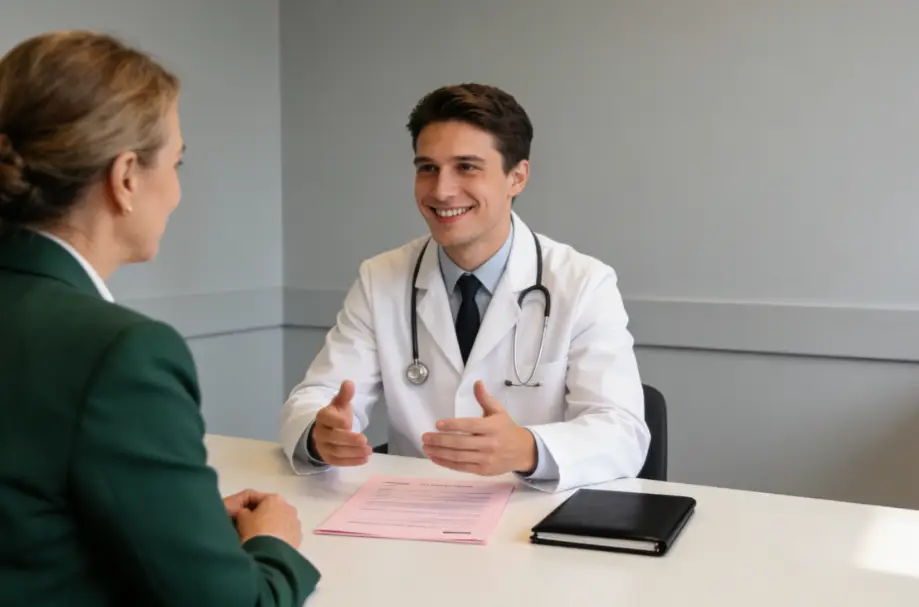
The end of an interview is a golden opportunity. When asked, “Do you have any questions for us?” avoid asking only about salary or shifts. Instead, ask about team culture, continuing education, or mental health support for staff.
For example, a friend applying for a head nurse position asked:
“Does your hospital have a stress management program for frontline staff?”
This question impressed the interviewer and helped her stand out. 🌟
7. Authenticity Wins: Prepare Your Story Library 🗂️💖
Ultimately, a healthcare interview is more than proving your qualifications—it’s about mutual understanding. Show the interviewer that you can competently perform your duties and bring warmth and strength to patients.
Non-verbal cues like your gaze, smile frequency, and tone of voice matter as much as your words.
The best way to prepare is not memorizing standard answers but reflecting on your experiences. Collect moments where you’ve genuinely touched someone’s life, and use them to create a story library. Sharing these real-life examples will not only make you appear natural and confident but also demonstrate that you are ready to support others on their health journey with knowledge and compassion. 🌈💙
Remember: Healthcare interviews are a chance to show both your expertise and your humanity. The most memorable candidates are those who can do both.
Leave a Reply