
People are always judging others—it’s an unavoidable reality. It might seem harsh, but it’s undeniably true. Even before you say a word, your clothing has already spoken for you. Whether it’s for landing your dream job, making a great impression on a date, or simply looking polished rather than like you just escaped from a laundry battlefield, the power of clothing is far more significant than you might think.
This article dives into the psychology of fashion, showing how clothes can send messages, attract others, and help you exude confidence and charm in any situation.
Clothing: Your Silent Business Card
Dressing well isn’t just about appearance—it’s often your silent business card.
Take the story of a friend who attended an important business gathering wearing a plain T-shirt and jeans. Meanwhile, those in carefully chosen attire were effortlessly invited to discuss collaborations. He realized: “Success sometimes starts with the right shirt.” Clothes convey not only your image but also your attitude.
In dating, what you wear also speaks for you. Thoughtful clothing communicates that you care about the meeting, respect the other person, and still remain natural. For example, a flowing top with well-fitted jeans and stylish yet comfortable shoes demonstrates taste while allowing ease of movement. Someone wearing a simple yet elegantly cut dress on a first date drew admiration simply through the confidence and natural charm she exuded. Dressing is storytelling—about you, about the moment.
Clothing as a Psychological Code
If clothing is your armor, it’s also a key that opens doors for conversation.
Have you noticed how some people can enter a room and immediately draw attention just by their attire? Psychology explains this: the human brain uses visual shortcuts to assess others, and clothing is one of the most direct cues. Vertical stripes, for instance, aren’t just a fashion choice—they visually elongate the body, making you appear taller and more commanding.
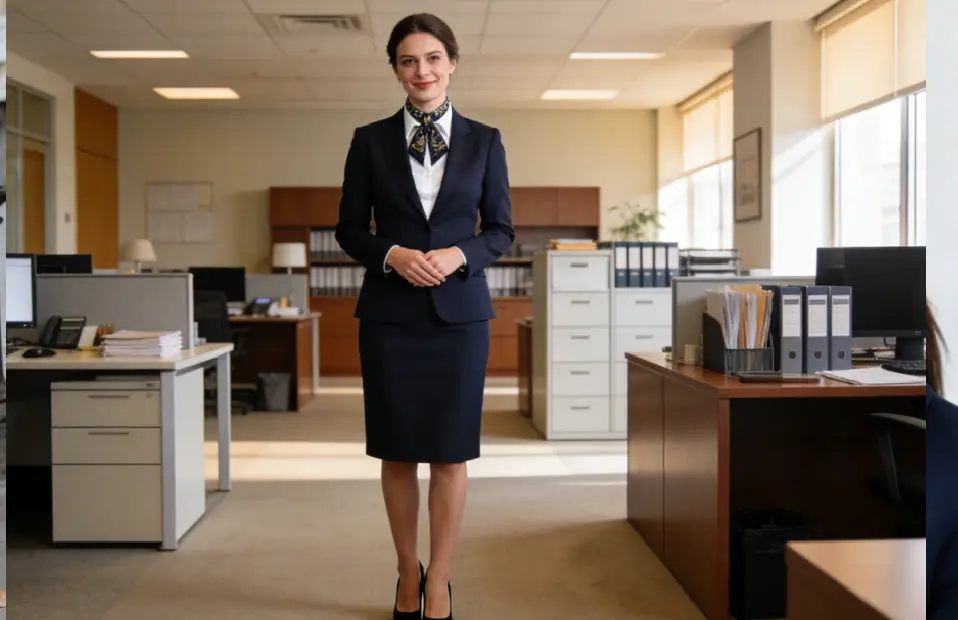
Different occasions require different dressing strategies. Job interviews are often nerve-wracking, and clothing becomes silent persuasion. As someone once said, an interview is like a mutual dating test. You want to showcase professionalism and competence—not necessarily dress like a CEO, but give the impression that you are trustworthy and reliable. In formal corporate environments, a well-fitted suit in muted tones is a safe choice. In creative industries, slightly relaxed attire can showcase individuality and style.

The Psychological Effect of Colors
Colors in clothing influence how others perceive you.
One friend shared that wearing a bright red jacket at a gathering immediately made him the center of attention. Studies show red stimulates passion and confidence, while blue conveys calmness and reliability—perfect for important meetings or first dates. Through colors, we subtly shape others’ expectations and feelings toward us.
Fit Matters
Fit is a critical aspect of dressing. No matter how expensive the brand, clothing that doesn’t fit properly can appear careless. The right cut and size is true style.
Imagine wearing an oversized coat with sleeves flapping while walking, or pants bunching at the ankles—these details silently signal a lack of self-respect. Conversely, tailored clothing makes you look polished and encourages others to believe you are attentive in other areas of life too.
The Power of Accessories
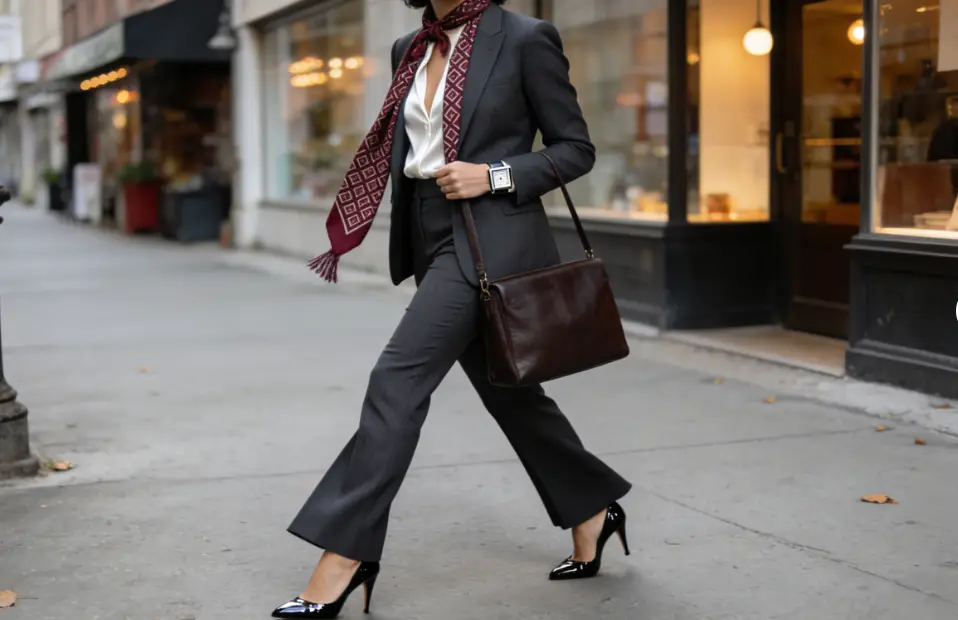
Accessories play an essential role in an outfit. Just like punctuation gives structure to writing, accessories enhance and complete a look.
- Watches: Symbolize reliability and punctuality, enhancing professionalism.
- Glasses: Can project scholarly or fashionable vibes; the right frame works wonders.
- Jewelry: Should be minimal—too much creates visual noise.
- Bags: Reflect taste; a worn-out bag can ruin an otherwise polished outfit.
- Shoes: Called the “walking business card,” clean shoes often leave a better impression than expensive clothing.
Through accessories, you add layers and stories to your overall appearance.
Rhythm and Coordination in Dressing
Dressing requires a sense of rhythm and coordination. Like a well-conducted orchestra, each element should harmonize rather than clash. You wouldn’t want to pair a leather jacket with floral pants and sneakers in a formal setting—it creates confusion.
Trends are fun, but blindly following them can make you look like a puppet of fashion. True style comes from finding your personal aesthetic and expressing it confidently.
Seasonal Dressing Strategies
Seasonal changes bring dressing challenges:
- Summer: Choose light colors and breathable fabrics like linen and cotton to stay comfortable and avoid visible sweat marks.
- Winter: Use layering—turtlenecks, scarves, and quality boots—to stay warm without sacrificing style.
Don’t let an old sweatshirt drag down your winter look. A few simple, refined outerwear pieces can keep you stylish even in the cold.
Confidence: The Ultimate Fashion Weapon
No matter how beautiful your clothes are, if you walk like you owe the world something, it’s hard to win admiration. Confidence is the best accessory and the most powerful fashion tool. It emanates from within, expressed through posture, smile, and eye contact.
A friend once chose an outfit that made her feel confident before an interview. On the day, she smiled naturally and focused on the conversation with the interviewer. She not only got the job but also enjoyed feeling respected and recognized. Clothes can influence how others see you—and how you see yourself.
Dressing as an Art Form
Dressing is not vanity—it’s an art of communication. You don’t need to follow trends or please everyone’s eyes; simply choose styles that suit you and tell your story through clothing.
Like a model walking the runway, the world is your stage. Every outfit is a unique performance. Every piece, every detail, is a silent language that lets people get to know you before they hear you speak.
Leave a Reply